
1) Steadier energy and more reliable focus (without extremes)
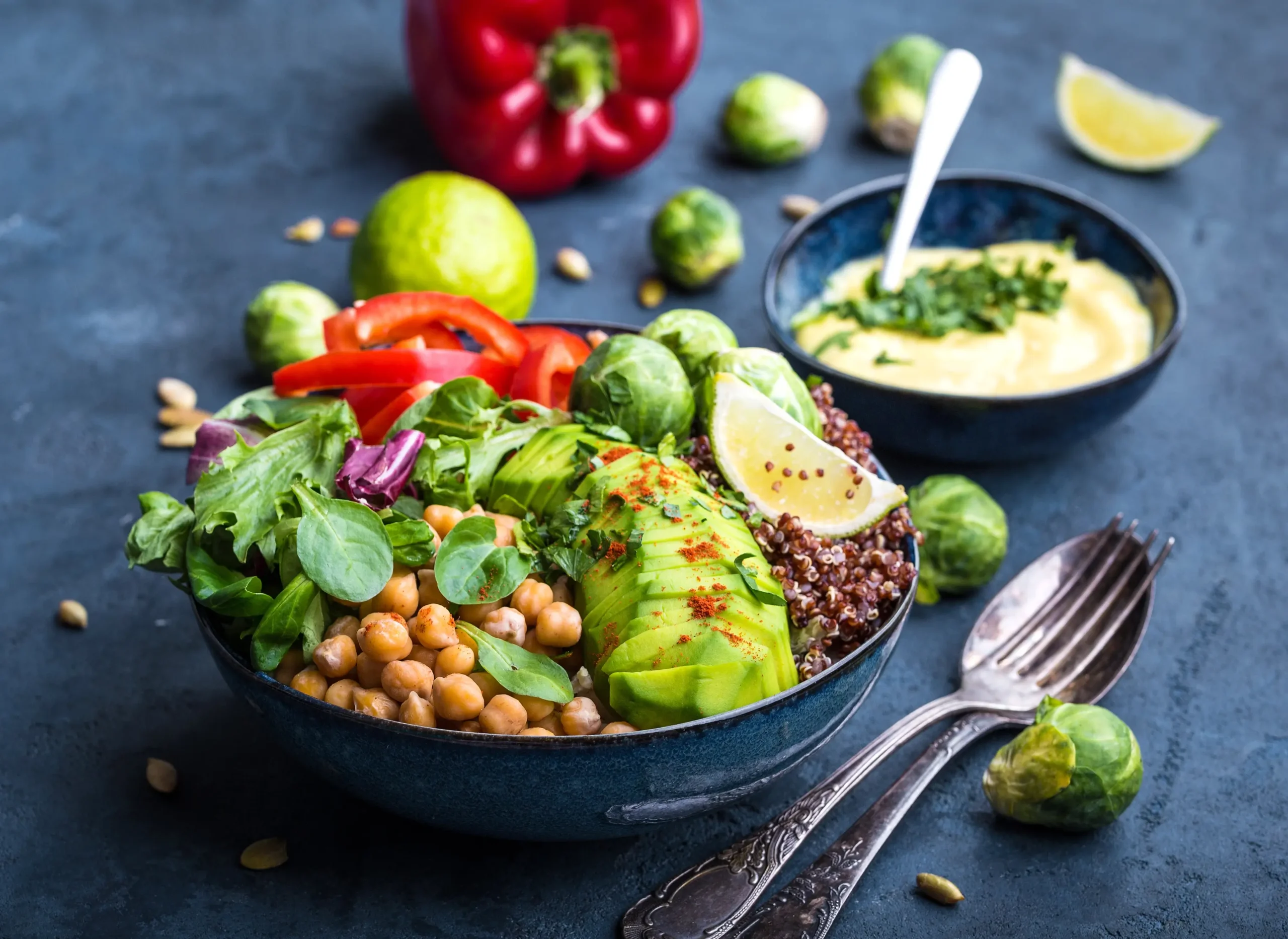
Most professionals don’t struggle for willpower; they struggle with mid-afternoon energy. Plant-forward meals built around protein, fibre and smart carbs create a slower, more sustained release of fuel so you can think clearly through the 3 p.m. lull. We’re careful not to promise magical cognitive “boosts”, but when you swap erratic grazing for balanced plates: say, tofu or beans + wholegrains + colourful veg + a little healthy fat, you tend to avoid the spike-and-crash cycle that nudges you towards more caffeine and late-night emails. Add two simple routines and you’ll feel the difference quickly: delay your first coffee by 60–90 minutes after waking, and keep caffeine out of the last eight hours before bed so sleep can do its job.
2) Strength and body-composition that fit a real schedule
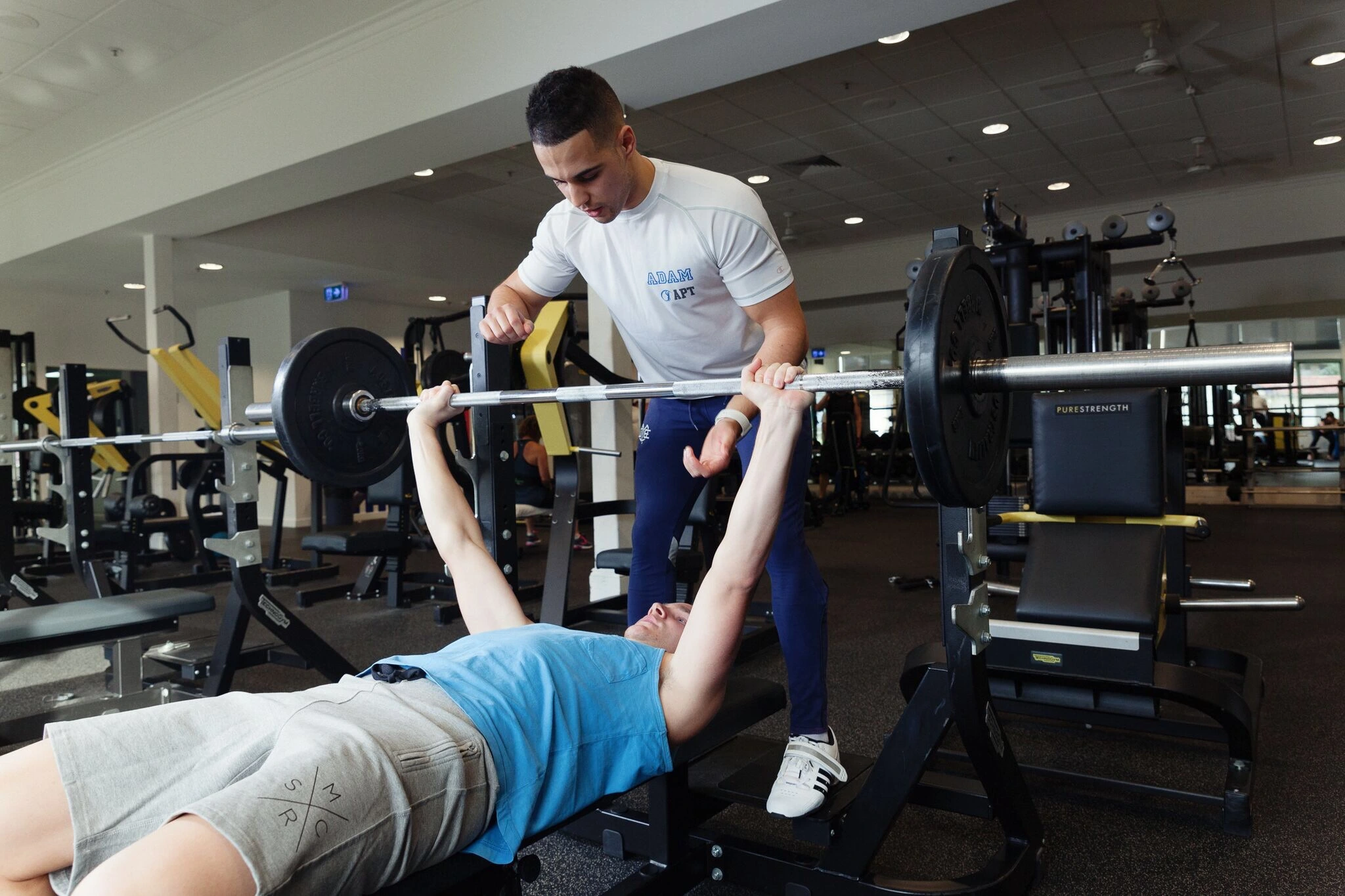
You don’t have to choose between eating plants and being strong. With a little planning, it’s straightforward to hit sensible protein targets using tofu, tempeh, seitan, lentils, beans, edamame and higher-protein wholegrains. Pair that with 2–4 short strength sessions per week and you preserve (or build) lean mass while you trim body fat, a far more sustainable approach than cardio-only “burn”. We programme simple, progressive sessions that fit lunch breaks or hotel gyms, and we keep fuelling practical: 25–35 g of protein per main meal, fibre-rich carbs around training, and enough calories to recover. The headline: you can look, feel and perform like a pro without a second job in the kitchen.

3) Simplicity and speed for chaotic workdays
Healthy eating collapses when it’s fiddly. Plants shine when you design for assembly, not chef-work. Batch once, eat many: cook a grain, a bean, and a tray of vegetables early in the week, then assemble 10-minute lunches with a flavour finish (lemon-tahini, pesto, harissa, salsa). Keep a “capsule pantry”: tins of pulses, microwave grain pouches, frozen veg, a go-to protein and dinner becomes a five-step decision tree rather than a 45-minute recipe. We also build snack kits for desks and travel bags (roasted chickpeas or nuts, oatcakes, fruit, optional protein shake) so the vending machine stops making your choices for you. Less friction = better adherence.
4) Less social friction at restaurants, airports and client dinners
Nobody wants to be the awkward order at the table. A plant-forward pattern lets you eat confidently anywhere by scanning for three elements: a protein anchor (tofu, tempeh, bean-based mains or a higher-protein plant burger), a wholegrain or potato, and something green or colourful on the side. Ask for sauces on the side and build flavour with herbs, citrus and spice. On travel days, pre-select two airport or chain go-tos and save them in your notes. The aim isn’t perfection; it’s a calm, repeatable approach that keeps you focused on the conversation and off the post-meal slump.
5) Meaningful alignment with values and impact
For many professionals, the “why” includes health and impact. A plant-based pattern can substantially reduce food-related greenhouse-gas emissions, often cited as up to ~73% depending on place and diet, while also lowering demand for animal products. We frame this carefully (context matters), but for clients who care about sustainability or corporate responsibility, eating more plants is a practical lever that doesn’t require a lifestyle overhaul. It’s also easier to talk about at work when your plan is evidence-led and socially flexible.
Practical guard-rails (UK-aligned and boring-but-important)
Well-planned plant-based diets are considered appropriate across life stages when key nutrients are handled sensibly. In the UK we commonly cover: vitamin B12 and vitamin D, and for those fully vegan, microalgae-derived DHA/EPA as a viable omega-3 option. If you have medical conditions or take medications, seek personalised advice. Keep claims grounded, keep meals satisfying, and let consistency do the heavy lifting.
Try this for seven days (quick start)
Pick one template lunch and one dinner you actually enjoy, shop once, and repeat them this week. Track two things only: your 3 p.m. energy (1–10) and whether you hit your plan (✓/0). If the scores improve, keep the pattern; if they don’t, adjust portions or timing before chasing new recipes. Momentum beats novelty.