
The problem with “healthy” as most people do it
For many professionals, “healthy” becomes a rigid checklist: cut carbs, avoid oil, ban dessert, and batch-cook monk-like meals that no one else at home wants to eat. That works for a week or two, then life happens — a late train, a working lunch, a client dinner — and the plan collapses. Misery creeps in because the plan depends on willpower and unrealistic circumstances. A better way is to design your environment and routines so the default choices are nutritious, satisfying and quick, while leaving room for business dining and weekend pleasures. When you lower friction and keep meals satisfying, you don’t need heroic motivation; you simply follow a rhythm.
What “healthy” should mean for busy professionals
Healthy eating for a demanding job is about steady energy, satiety, and social ease. On workdays, that translates to protein-centred, fibre-rich meals that keep hunger steady; carbohydrates timed to support concentration and training; and fats used for flavour and fullness rather than feared. On weekends or dinners out, it means you can order confidently without feeling like the awkward person at the table. If you’re plant-based or plant-curious, it’s absolutely possible to hit protein targets and feel strong with tofu, tempeh, beans, lentils, seitan, edamame and higher-protein grains; well-planned vegan diets are deemed appropriate across life stages by UK dietetic bodies, provided key nutrients are handled sensibly. None of this requires moral purity — it requires a plan that respects your calendar.
The satiety blueprint: full plates, not tiny portions
Most “miserable” diets fail because they chase fewer calories with less food volume. We flip that. Build plates around three anchors: (1) a plant protein serving of 25–35 g (e.g., 150–200 g tofu, a tin of beans, ¾ cup cooked lentils, or seitan), (2) fibre-rich carbs like wholegrain wraps, brown rice, quinoa, oats or potatoes to provide steady fuel, and (3) colour + crunch from vegetables and fruit for volume, micronutrients and texture. Add healthy fats (olive oil, tahini, nuts, seeds) in measured spoonfuls for flavour and satiety; they help meals feel “complete” so you’re not prowling the kitchen an hour later. When your plates look abundant and taste good, you’re far less tempted by emergency snacks and far more likely to stay consistent.
Steady energy at work: a simple weekday rhythm
Rather than heroic meal prep, think “prep once, assemble fast”. Batch a grain, a bean, and a tray of roasted vegetables early in the week; from there, lunches take 5–10 minutes and taste different each day with quick toppings like lemon-tahini, salsa, chilli crunch or pesto. Most professionals do well with three predictable anchors: a protein-rich breakfast (e.g., overnight oats with soya yoghurt and seeds or a tofu scramble on wholegrain toast), a balanced lunch that avoids the 3 p.m. crash (protein + fibre + colour + fat), and a training-supportive dinner. Delay your first coffee 60–90 minutes after waking for a gentler lift, and keep caffeine away from your last 8 waking hours to protect sleep. You don’t need to track every gram to feel the difference — simply follow the rhythm for a week and note your afternoon energy.
Eating out without angst (client dinners, chains, and travel)
You can be both sociable and health-conscious if you order by pattern, not perfection. Scan menus for a protein anchor (tofu, tempeh, bean-based mains, vegan burgers with a higher-protein patty, or a dish you can modify), pair it with a wholegrain or potato, and include a veg side. Ask for sauces on the side and build flavour with herbs, citrus and spice rather than defaulting to the biggest creamy option. On travel days, identify two go-to options at airports or UK chains ahead of time and save them in your notes — decision fatigue is the real enemy. If dessert is part of the social script, enjoy it mindfully and balance the day elsewhere; one meal doesn’t define your week, but the stress you carry about that meal can derail the next three.
Snack smarter (so you stop free-wheeling at 4 p.m.)
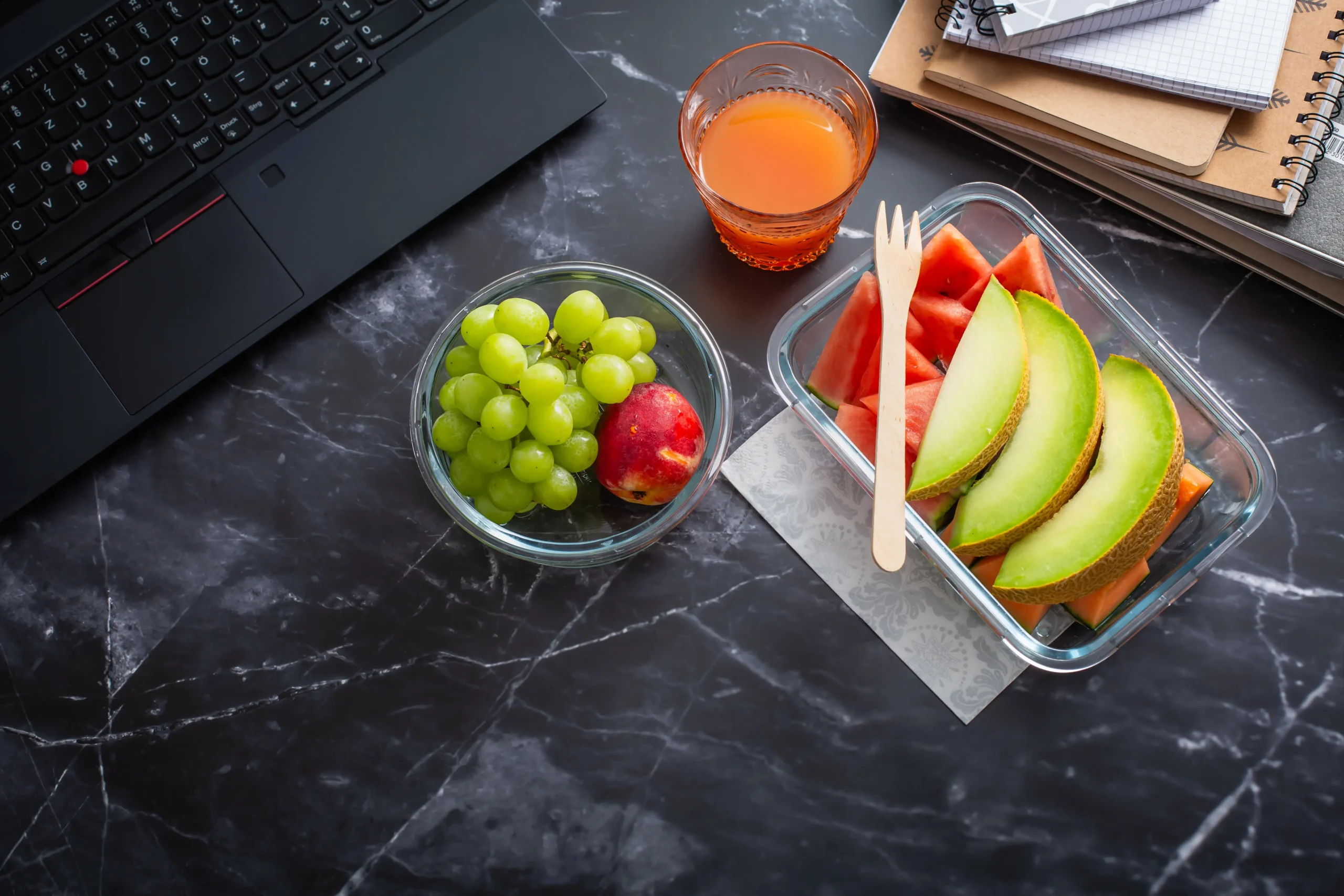
Snacks exist to bridge gaps, not to become second lunches. Keep a desk kit: roasted chickpeas or nuts for crunch and protein, wholegrain crackers or oatcakes for chew, a piece of fruit for quick fibre and sweetness, and (if you use them) a ready-to-drink or powder protein option for chaotic days. Pre-placing snacks removes the vending machine lottery, and pairing protein with fibre slows digestion and steadies energy. If you notice snacking spikes, check lunch composition first; most “snack attacks” are under-powered lunches in disguise.
Plant-based without perfection (and how to stay evidence-led)
You don’t need to be 100% vegan to benefit from plant-rich eating. Start with breakfast and lunch as your plant-forward anchors and keep dinner flexible while you learn new recipes. Handle the “boring but important” micronutrients with minimal fuss: B12 and vitamin D are common UK considerations for plant-based eaters, and microalgae-derived DHA/EPA is a viable vegan omega-3 source aligned with British guidance. We also temper claims about brain performance: while many clients report clearer thinking on steadier fuelling, research on direct cognitive enhancement from diet alone is mixed — so we frame benefits as improved energy management, appetite control and recovery, which are well supported by practical experience and the broader evidence base. This balance keeps your plan credible and sustainable.
A week of healthy eating that still feels like living
Monday: Overnight oats with soya yoghurt, berries and seeds; lunch bowl of brown rice, black beans, roasted peppers, avocado and salsa; tofu stir-fry with quick-cook veg and noodles.
Tuesday: Sourdough + tofu scramble breakfast; 10-minute hummus + rocket + pickled onion wrap with pumpkin seeds; tempeh, potato and greens tray-bake with mustard dressing.
Wednesday: Smoothie (oats, banana, spinach, soya milk, peanut butter) when time is tight; microwave grain pouch + chickpeas + cherry tomatoes + dairy-free pesto for lunch; lentil bolognese over wholewheat pasta.
Thursday: Protein porridge with chopped nuts; sushi-style lunch (edamame, avocado, rice, nori, cucumber); client dinner — choose a protein-anchored main, share sides, enjoy dessert if you like.
Friday: Bagel with smoked tofu and tomato; leftover bowl remix; burger night with a higher-protein plant patty, baked wedges and slaw.
Saturday: Brunch with friends — order the veggie option and add beans or tofu for protein; picnic-style dinner with dips, crudités, olives and good bread.
Sunday: Batch your grain/bean/veg; slow-cook a chilli or dal; plan two “assembly” lunches for the week ahead. This rhythm gives you structure without removing the joy of eating.
If fat loss is a goal: gentle guard-rails (no misery required)
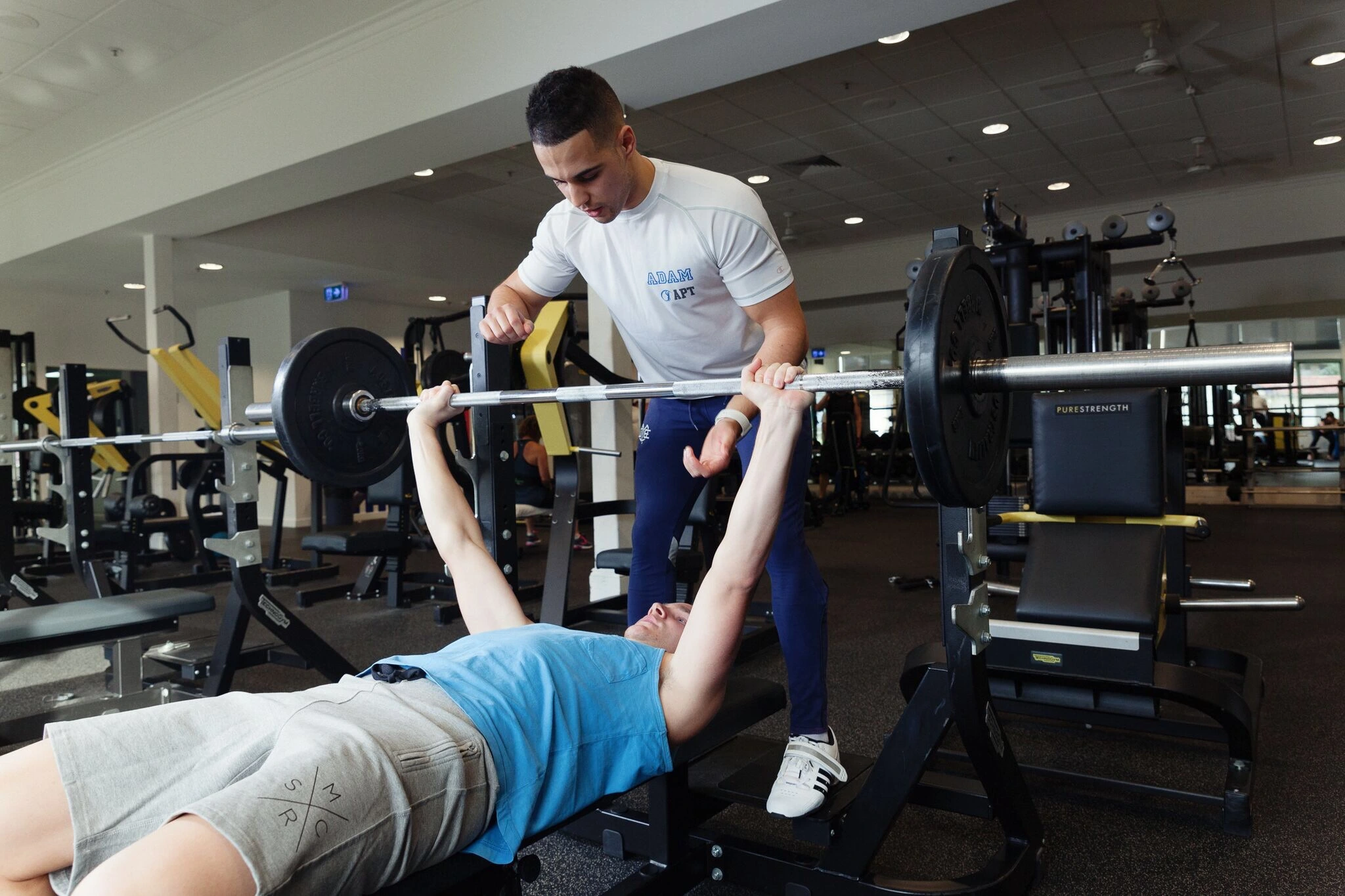
Sustainable fat loss comes from a modest, consistent energy deficit you barely notice. Keep plates abundant but slightly rebalanced: keep protein steady, load up vegetables for volume, and shave calories where they don’t add joy (e.g., swap a second pour of oil for an extra handful of veg, choose sparkling water between drinks at dinners). Strength training 2–4 times per week helps preserve muscle so you look and feel better as the scale changes, and short “finisher” blocks can raise weekly energy output without hours of cardio. Most importantly, track behaviours (meals made, sessions done, 3 p.m. energy) instead of obsessing over daily scale blips; consistency beats intensity.
Troubleshooting: why this still might feel hard (and what to do)
If you’re “being good” all week then unravelling on Friday night, your plan is probably too strict or too bland. Add sauces and textures you genuinely enjoy, schedule a purposeful treat meal, and raise weekday portions slightly so you’re not white-knuckling. If business travel derails you, create a two-option travel menu in your notes and repeat it until it’s boringly easy. If family meals are the bottleneck, build a common base (grains + veg) and let everyone add their protein topping. If you feel tired despite eating well, check sleep, hydration, and caffeine timing first, then consider whether you’re under-fuelled for your training. And if you have medical conditions, are pregnant, or take medications, seek personalised advice from a qualified professional — general guides are not a substitute for individual care.
The 10-minute start: two actions today
Block a 30-minute batch window this week to cook one grain, one bean, and one tray of vegetables, then write three quick lunch assemblies you actually look forward to. Place a snack kit in your desk and bag so workday hunger is solved in seconds. Small steps create the feeling of control that makes “healthy” feel easy — and that is the opposite of miserable.